Parkinson’s disease is a progressive neurological disorder that affects movement. It is due to a loss of dopamine in a region of the brain called the substantia nigra. Dopamine is a neurotransmitter that helps coordinate movement. Hence, a deficiency of it can lead to the symptoms of Parkinson’s Disease.
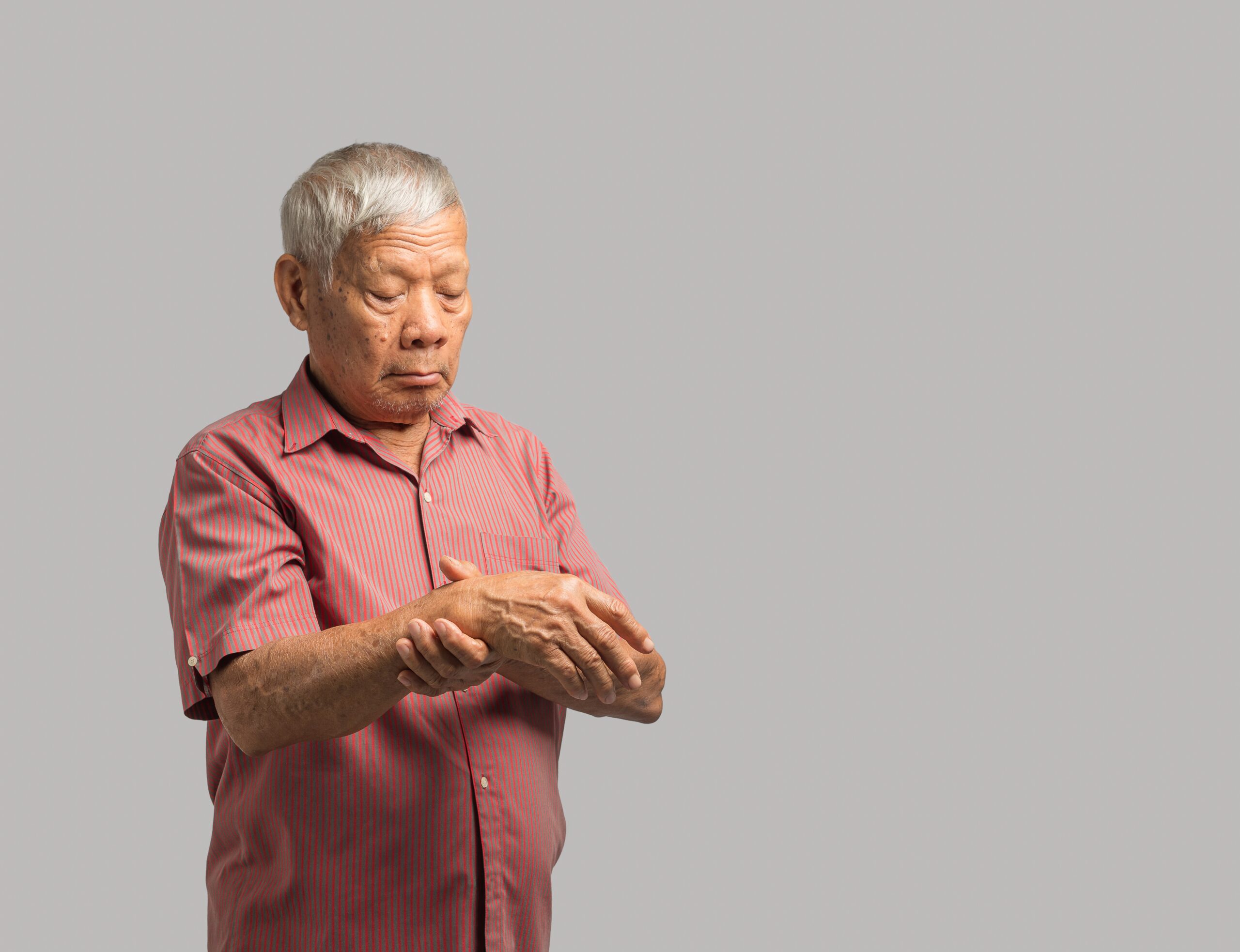
Physiotherapists begin treatment by evaluating their clients’ physical capabilities, establishing rehabilitation goals, and crafting individualized exercise plans. They emphasise improving mobility, balance, fall prevention, and gait retraining. Through personalized interventions and continuous support, physiotherapists assist Parkinson’s disease clients in maximizing their physical potential and sustaining independence in everyday activities. Additionally, caregiver training is offered to provide comprehensive support.
Our team is experienced in treating most cases related to the neurological or vestibular system such as the ones below. Other conditions we can see include Cranial traumas, Brain tumours, Vestibular neuronitis and more.
For Stroke Patients, the focus will be on improving mobility, function, and independence through gait training, functional rehabilitation, and motor relearning techniques. Physiotherapists also address balance, coordination, and spasticity management while providing education and support to stroke survivors and their caregivers.
Vestibular Physiotherapy treatment is an effective way to resolve disorders like BPPV. Medications may only reduce the symptoms of nausea and vomiting, but they are not effective in treating the root cause. Physiotherapy treatment includes repositioning manoeuvres to relieve the symptoms of BPPV. Your head will be placed at different movements and angles to move the otoconia from your semicircular canals back into the otolith organs in your ear.
Physiotherapists begin treatment by evaluating their clients’ physical capabilities, establishing rehabilitation goals, and crafting individualised exercise plans. They emphasise improving mobility, balance, fall prevention, and gait retraining. Through personalised interventions and continuous support, physiotherapists assist Parkinson’s disease clients in maximising their physical potential and sustaining independence in everyday activities.


